




When Should You Replace Your Water Heater?
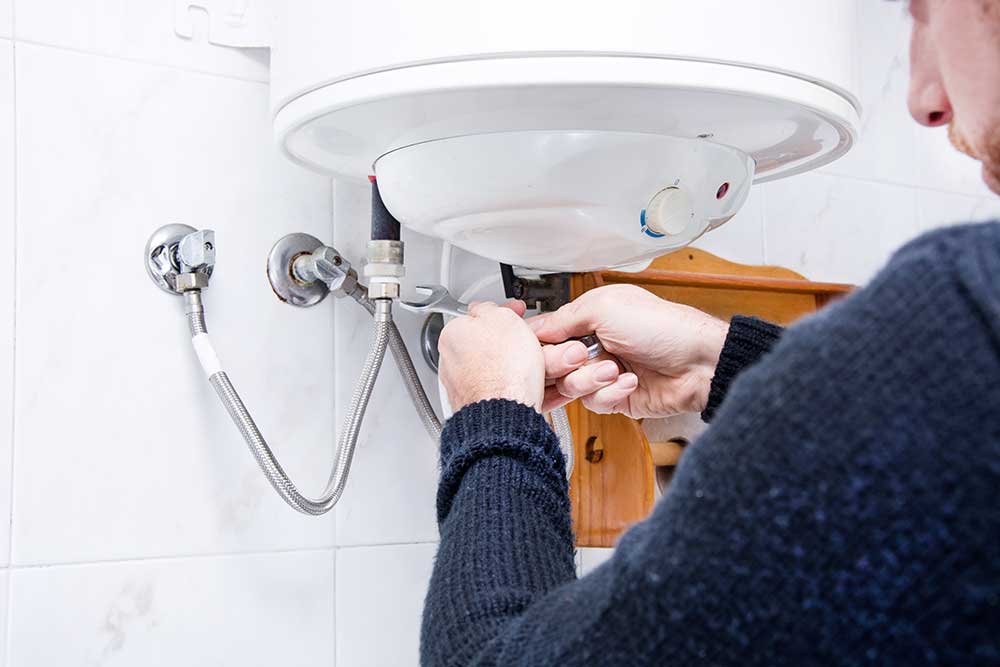
Warning Signs Your Water Heater Is Failing
You can go for months – even years – without giving yours a thought, and all the time it works silently and reliably, making your showers comfortable and dish-washing and laundry easier and more effective. Most last a decade or more, but eventually, they fail, and when they do, they make showers nearly impossible and laundry and dish washing difficult.
The good news is that there are usually warning signs that a hot water heater is about to fail. Knowing these signs can help you, as a homeowner, get a replacement installed in time, before you find yourself with a headful of shampoo lather and nothing but cold water to rise it off with.
Leaks
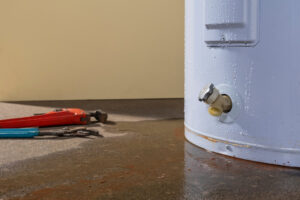
Since most hot water heaters are located in out-of-the way places, it is a good idea to periodically check the floor near the heater for leaks. A leak is the primary indication that a water heater needs to be replaced, but not every leak qualifies. Even a small leak in the tank is a sure sign that the tank is about to fail, but before you jump to conclusions, examine the heater installation carefully, checking all pipe connections to the device. Pipe leaks can be repaired, tank leaks cannot.
RELATED READ: Repair or replace a Water Heater?
In addition to causing water damage, a leak can also damage the heating controls on the heater. A leak can cause the pilot light to go out or the ignitor to fail on a gas heater. On an electric heater, a leak can cause a short which may cause a breaker to trip or do damage to the heating components.
Water Contamination
Over time, the internal components and surfaces of water heaters will corrode. Though appliance manufacturers take steps to inhibit corrosion, it will happen sooner or later. If water comes out of the faucet or shower looking rusty, or if sediment is found in the bathtub, there is a good chance that the internal components in the heater’s tank are corroding. Rusty water will stain your clothing and basically make it impossible to get yourself clean. Additionally, if the parts in the tank are corroding, the tank itself is probably not far behind. If corrosion is found, it is time to replace your water heater.
Energy Costs
Appliance manufacturers regularly improve their designs and incorporate better materials into everything they make. This makes appliances more energy efficient than models that are just a few years old.
RELATED READ: Tips for Using Hot Water Heaters Efficiently
As a general guideline, you should replace a hot water heater when it’s 10 years old to receive the benefits of greater efficiency. Not only will you save on energy bills, but you’ll avoid the risk of a flood from a corroded heater – not to mention the domestic disaster of running out of hot water in the middle of a shower.
Are you having hot water problems in Michigan, or do you want to avoid them before they become problems? Home Comfort Experts has you covered with installation, repairs and maintenance for all your heating, cooling, plumbing and indoor air quality needs. Contact us.
RELATED READ: Home Comfort Experts are your Water Heater Professionals
Should You Repair or Replace Your Water Heater?
It’s a common question homeowners face—can the water heater be fixed, or is it time for a replacement? The answer depends on a few key factors: the age of the unit, the nature of the problem, and the cost of repair compared to replacement.
When a Repair Might Be Enough
-
Minor issues like a faulty thermostat, broken heating element, or a worn-out pressure relief valve can often be repaired without much expense.
-
Pilot light issues on gas water heaters or tripped breakers on electric models are also typically quick fixes.
-
If your unit is less than 8 years old and has been well-maintained, repairing it may give you several more years of reliable service.
When It’s Time to Replace
-
If your water heater is more than 10 years old, even a small issue may signal the beginning of the end.
-
Leaks from the tank itself are not repairable—this is a clear sign the entire unit needs replacing.
-
If you’re seeing rusty water, sediment buildup, or your energy bills are rising, replacement is usually the smarter long-term choice.
-
Replacing now also gives you access to newer, more energy-efficient models that save money over time.
Think Long-Term
While repair can sometimes be the right option, it’s worth considering how much life is realistically left in your water heater. If you're facing frequent issues or it’s nearing the end of its lifespan, investing in a new unit can save you time, stress, and money down the road.
