




How to Properly Winter-Proof Your Indiana Home
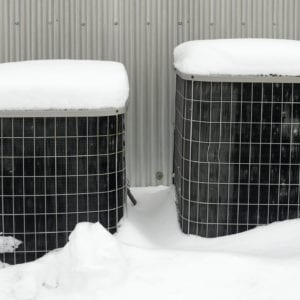
Following a winter home maintenance checklist is critical in Indiana, where frozen pipes, furnace breakdowns, and high energy bills are the reality. Home Comfort Experts is the experienced local team that helps homeowners prepare for the first deep freeze.
Follow our specially made HVAC and plumbing winter checklist to get your home ready for the coldest months of the year. Here’s how to winter-proof your home.
Step 1: Inspect and Service Your Heating System
Professional inspection is the cornerstone of your winter home maintenance checklist. These inspections are what keep your heating system running efficiently and safely through the winter season. Typically, they are also required to maintain your manufacturer’s warranty.
Technicians at Home Comfort Experts follow a proven 20-point furnace maintenance process, which includes:
- Camera inspection of the furnace heat exchanger
- Lubricate all moving parts
- Test the furnace flame for a safe burn operation
- Tighten and inspect the electrical wiring
- Replace filters as needed
- And much more
Step 2: Seal Air Leaks and Improve Insulation
Drafts don’t just cause cold spots and higher energy bills; they also contribute to moisture problems and mold growth. Follow this simple DIY checklist to seal air leaks in your home, and if you discover large leaks or significant mold, call a professional for assistance.
- Apply caulk and weatherstripping to drafty doors and windows.
- Seal gaps where plumbing pipes, HVAC ductwork, or electrical wiring are exposed.
- Fill larger cracks and openings around windows and baseboards using expanding foam sealant.
- Install new exterior door sweeps along with flexible, tight-fitting sealing gaskets.
- Close air gaps around fireplace flues, furnaces, and gas water heater vents using fire-rated materials such as sheet metal or sheetrock.
Step 3: Protect Your Plumbing From Freezing
For every degree Fahrenheit you turn your thermostat down by, you can save an additional 1% on your energy bill. That being said, the cost of frozen and burst pipes is significantly higher than any potential energy savings. Homeowners must think of their plumbing during freezing weather.
Pipes usually start to freeze below 20°F, but can burst at 32°F if they aren’t insulated properly. Frozen or burst pipes aren’t just expensive to fix, but can be dangerous. Thousands of gallons of water damage during an ice storm can leave your family exposed to the elements.
Homeowners should follow these steps to winterize plumbing systems:
- Insulate exposed pipes.
- Disconnect hoses.
- Locate your main shutoff valve in case of a burst.
- Leave faucets dripping in extreme cold.
Step 4: Check Your Water Heater and Hot Water Lines
Reducing your water heater’s temperature is an easy and effective way to cut energy costs. Water heater temperature is typically set between 120°F and 140°F. We recommend setting the temperature to 123°F to prevent bacterial growth in the tank.
Flush sediment from your water heater until the hose runs clear.
If you notice corrosion, leaks, or have inconsistent hot water, you need to call for a professional water heater service.
Step 5: Test Thermostats and Smart Thermostat Settings
A programmable thermostat is a great way to easily reduce wintertime heating costs. These thermostats can automatically set the daytime temperature to 68°F and then 60°F at night.
Before pre-setting your thermostat, make sure it’s functioning correctly. Follow these steps to test your thermostat.
- Confirm thermostat has power: Replace batteries if applicable and ensure the display turns on.
- Verify thermostat settings: Switch mode to “heat” and set the temperature above the current room temperature.
- Test heating response: Listen for the furnace to start, check for warm air from vents, and note any delayed starts, short cycling, or cool air.
- Check temperature accuracy: Compare the thermostat reading with a nearby thermometer and look for differences of more than a few degrees. You may adjust the calibration or replace it if necessary.
Step 6: Improve Indoor Air Quality for Closed-Up Homes
Sealing air leaks and improving insulation is great only if you’re also maintaining good air quality. During the winter, Indiana residents are often stuck inside with dry air, dust, and allergens. Follow this Indiana winter home prep checklist to breathe easy this season.
Install whole-home humidifiers to decrease sore, itchy throats.
Change filters in all HVAC units and ducting.
Clean ducts, removing dust and contaminants.
For especially poor indoor air, call the professionals for expert indoor air quality services.
Step 7: Create an Emergency Winter Plan
No winter home maintenance checklist is complete without an emergency plan. Responsible homeowners must prepare for outages and sudden failures.
- Maintain backup radiators, generators, and/or space heaters for the winter season. When in use, plug radiators/space heaters directly into wall outlets and check cords for damage or fraying.
- Keep anything flammable at least 3 feet away from fireplaces, wood stoves, generators, space heaters, and candles.
- Use generators outdoors only, far from windows and doors.
- Unplug appliances and electronics to prevent power surge damage.
- Keep a list of emergency contacts.
Why Indiana Homeowners Trust Home Comfort Experts
Home Comfort Experts is a family-run, local HVAC with the experience to get you through the freezing Midwest winters. We provide 24/7 emergency service and combined HVAC and plumbing visits. From furnace repair and installation to plumbing leak repairs, Home Comfort Experts is the best option for all your winterizing needs.
Schedule Your Winter-Proofing Visit Today
With certified technicians, you get fewer breakdowns, lower bills, and peace of mind. Don't leave your winter safety to chance.
Schedule online or call Home Comfort Experts at (574) 626-1320.
