




Blog
Prevent Frozen Pipes This Winter
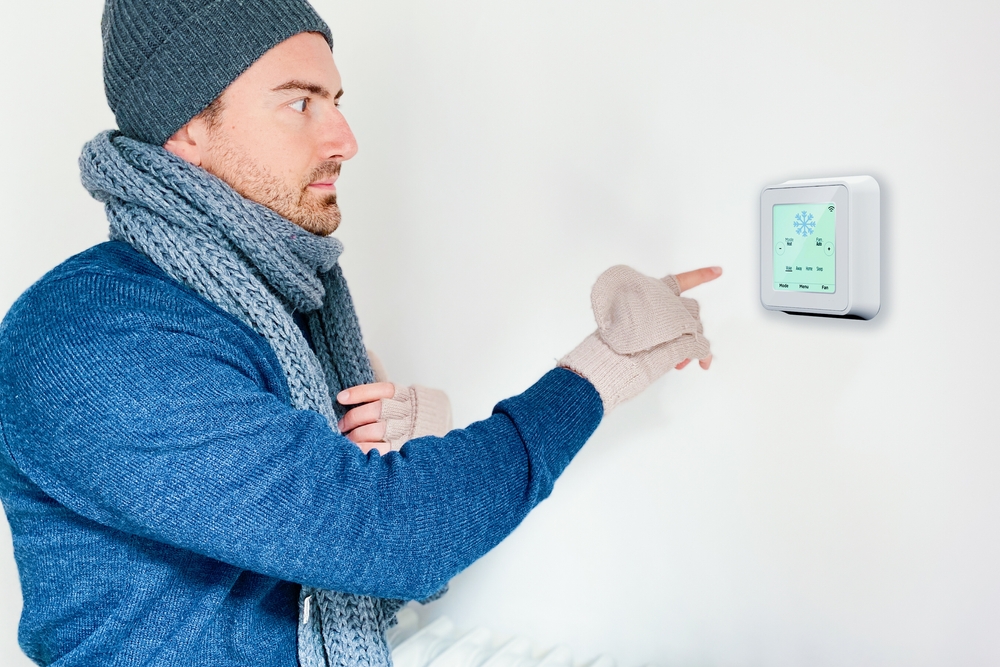
Come winter, temperatures will plummet in Indiana and Michigan, and frozen pipes will become one of the most common and most expensive winter plumbing emergencies. The good news is that preventing frozen pipes is far easier and far cheaper than repairing a burst one. With the right preparation, you can protect your home, avoid water damage, and keep your plumbing system running efficiently all season long.
This article covers the best frozen pipe prevention tips, including expert recommendations from the professionals.
Why Frozen Pipes Are a Serious Problem
Water expands as it freezes, and this expansion creates extreme pressure inside your plumbing system. Even metal and plumbing-grade plastic pipes can’t withstand the force of expanding ice. As pressure builds, pipes can crack or burst. This will dump hundreds of gallons of water into your home.
A burst pipe can lead to:
- Significant water damage in minutes
- Mold growth
- Structural damage to floors, walls, and ceilings
- Emergency plumbing repairs costing thousands
Taking steps now to prevent frozen pipes is essential for winter home protection.
How to Keep Pipes from Freezing
The weather in Indiana in winter is frigid, with temperatures dropping well below 20°F, and in parts of Michigan it regularly gets even colder. Preventing frozen pipes requires proactive steps in these environments.
Learn how to keep pipes from freezing below.
- Insulate Exposed Pipes
Adding pipe insulation is one of the more effective ways to prevent frozen pipes. This step is labor intensive, so focus your energy on unheated areas, such as:
- Basements
- Crawl spaces
- Attics
- Garages
- Pipes along exterior walls
You can use pipe sleeves, heat tape, heat cable, or foam insulation. Even simple materials, like a layer of newspaper, offer some protection in milder conditions.
- Let Faucets Drip During Extreme Cold
A small, steady trickle keeps water moving, which greatly reduces the risk of freezing. When temperatures stay below 32°F, open the cabinet doors under sinks on exterior walls and let both the hot and cold taps drip. This keeps water moving through both lines.
With single-handle faucets, it may take a bit of adjustment, but it is possible to find the right spot for a slow, steady drip. Remember to move cleaning products, previously stored under cabinets, out of reach of children and pets.
- Keep Thermostat Temperatures Consistent
It seems counterintuitive but avoid lowering your thermostat at night. A steady indoor temperature is what keeps internal pipes warmer and safer, especially during sub-zero cold snaps.
- Protect Outdoor Lines
Here’s how you can protect outdoor lines.
- Disconnect and drain garden hoses
- Shut off and drain outdoor hose bibs
- Drain sprinkler and pool supply lines following the manufacturer's instructions
- Never add automotive antifreeze to sprinkler or pool lines unless specifically instructed. It’s toxic to people, pets, and the environment.
- Close Garage Doors
If water supply lines run through the garage, keeping the doors closed can help maintain a warmer temperature.
What to Do If Your Pipes Start to Freeze
The only way to tell whether you have a frozen pipe is by turning the faucet on. If only a trickle comes out, then you have a problem. There are steps you can take to help, but you need to act quickly.
- 1. Keep the Faucet Open: As ice melts, water flow helps flush the line.
- 2. Safely Apply Heat: Use an electric heating pad, hair dryer, space heater positioned safely, or warm towels wrapped around the pipe.
- 3. Continue Heating Until Full Flow Returns: If you can’t locate the frozen section, cannot access it, or can’t thaw it safely, stop and call a licensed plumber immediately.
Know that it is never a good idea to use a blowtorch, open flame, kerosene heater, or charcoal stove to heat pipes. If a pipe bursts, immediately shut off your home’s main water supply, cut the power, and turn off all faucets to relieve pressure. These quick steps help stop the damage from spreading.
For urgent help, contact Home Comfort Experts for emergency plumbing services.
Professional Solutions to Prevent Freezing
Winter weather in Indiana and Michigan can be brutal, which is why professional winterization is one of the best ways to protect your home. At Home Comfort Experts, our licensed plumbers provide comprehensive winterization services designed to keep your pipes, drains, and entire plumbing system safe despite freezing temperatures.
Our team thoroughly inspects and prepares your plumbing, including insulating exposed pipes, cleaning drains, resealing vulnerable areas, and ensuring your system can withstand deep freezes. We address hidden risks that homeowners often miss, preventing frozen pipes, burst lines, water damage, and reduced water flow throughout the winter months.
We’ll make sure your plumbing system is ready before temperatures drop. Protect your home and avoid costly emergency repairs with Home Comfort Experts.
Why Home Comfort Experts Is Trusted for Winter Plumbing Emergencies
Don’t let a simple pipe become a major plumbing disaster. Home Comfort Experts offers a variety of plumbing services, including winterization, for all your plumbing needs. Our upfront prices and quick expert response are what make us a trusted source in Michigan and Indiana. Contact us today.

