




Blog
Top Warning Signs of Water Leaks You Shouldn’t Ignore
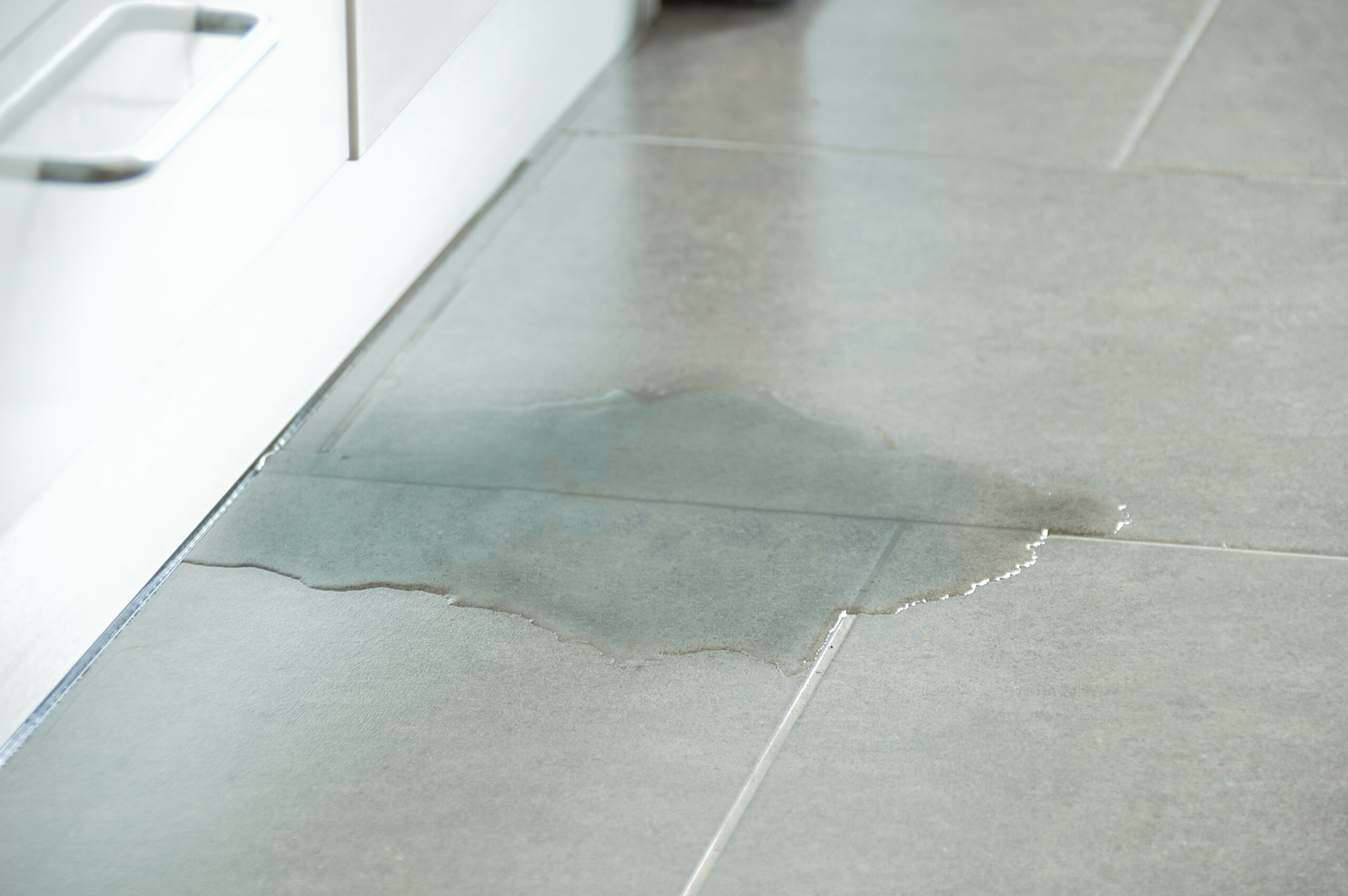
Water leaks don’t always start with a dramatic flood. More often, they sneak in quietly, hiding behind walls, under floors, or deep inside your plumbing system. What seems like a harmless drip can quickly turn into mold growth, structural damage, and a sky-high water bill.
Knowing how to find a water leak early is the best way to avoid costly repairs. Whether it's a musty smell in the bathroom or an unexplained spike in your utility bill, recognizing the warning signs can help you act fast.
Let’s explore why leaks in your home are so risky, where they typically pop up, and the warning signs of a water leak that tell you that something could be wrong with your home’s plumbing.
Why Undetected Water Leaks Are So Dangerous
A hidden leak can be more than just a small puddle that needs cleaning up. It can be a full-blown threat to your home’s safety and your wallet.
Left unchecked, even small leaks can cause serious damage over time. They create the perfect breeding ground for mold and mildew, weaken your home’s drywall, wood, and insulation, and can ruin flooring, furniture, and fixtures. In more severe cases, leaks may even compromise your home’s foundation. And if that’s not enough, all that wasted water can drive your monthly utility bills through the roof.
The EPA estimates that the average household leaks waste around 90 gallons or more per day. This results in over 10,000 gallons of water wasted per home and millions of gallons nationwide every year. That’s not just bad for the environment; it’s bad for your budget, too.
Most Common Places Water Leaks Happen in Homes
Leaks can hide in all sorts of sneaky spots around the house. Here are some of the most common problem areas you should check for when looking for the signs of a water leak in your home:
- Under Sinks: Slow leaks in P-traps or supply lines often go unnoticed. Because these areas are tucked away behind cabinet doors, moisture can accumulate for weeks before it’s spotted.
- Behind Walls: Pipe cracks or nail punctures during construction can cause slow, hidden drips. These leaks are especially dangerous because they can damage insulation and drywall before any visible signs appear.
- Around Toilets: Worn seals or faulty flanges can cause water to leak onto your subfloor. Over time, this can lead to wood rot and even cause the toilet to become loose or unstable.
- Base of Water Heaters: Leaks at the bottom of a unit are often a sign of corrosion or tank failure. If ignored, the entire tank could burst and flood nearby areas.
- Appliance Connections: Dishwashers, washing machines, and refrigerators with water dispensers can all spring leaks at the hose connections. A small drip from a cracked or loose hose can quickly turn into major water damage if left untreated, especially if the issue stems from aging or faulty plumbing fixtures.
- Basements or Crawl Spaces: Damp or musty smells often indicate water seepage or a leaking pipe. Since these areas are naturally prone to humidity, hidden leaks can go unnoticed until you start to notice mold growth or structural damage.
Many of these areas are tough to monitor without help. If you suspect something’s wrong but you’re unsure, a professional plumber will know how to find a leak in your house. They utilize advanced leak detection tools to find the source before major damage occurs.
10 Signs You Might Have a Hidden Water Leak
Unexplained Spike in Your Water Bill
If your water usage hasn’t changed but your bill has suddenly skyrocketed, a leak may be the culprit. Even a slow, steady drip can waste hundreds of gallons a month, and those costs add up fast.
Musty Smells or Mildew Odors
That damp, earthy smell in your laundry room or under the sink isn’t just annoying — it could be a sign of hidden moisture. Mildew thrives in moist, poorly ventilated areas and often points to a leak behind the walls or under the flooring.
Water Stains on Ceilings or Walls
Brownish or yellow spots on ceilings or drywall typically indicate that water is leaking from above. If the stains grow over time or change shape, that’s a sign the leak is ongoing and needs immediate attention.
Wet Spots or Pooled Water in Odd Places
Notice damp patches on the floor when no one’s been using water nearby? Puddles near appliances, under cabinets, or on basement floors can signal a slow leak that’s going unnoticed.
Mold or Mildew Growth in Unusual Areas
Seeing mold where it shouldn’t be — like behind furniture or near baseboards — can indicate excess moisture from a nearby leak. Mold spores spread rapidly and can pose a health hazard if left unaddressed.
Sounds of Dripping or Running Water
If you hear dripping sounds but can’t see where they’re coming from, there may be a leak in your wall or ceiling. Likewise, the sound of water running even when fixtures are off is a red flag.
Sudden Drop in Water Pressure
If your shower feels weaker or your faucets take longer to fill a sink, you may have a leak somewhere in the line. Pressure drops can occur when water is escaping through a crack or puncture in your pipes.
Cracks in Foundation or Flooring
Persistent moisture under your foundation can cause concrete to shift, resulting in cracks. While not always caused by plumbing issues, leaks near or under your home’s foundation should be ruled out quickly.
Peeling Wallpaper or Blistering Paint
Water trapped behind walls will eventually affect the surface. If paint is bubbling or wallpaper is starting to lift, that’s often due to a moisture problem hiding beneath.
Lush Green Patches in the Yard
If part of your lawn looks greener and grows faster than the rest, it could be due to an underground leak from a buried water line. These leaks can also cause sinkholes or soft, soggy spots in the yard.
What Causes Water Leaks?
Water leaks don’t happen randomly — there’s usually a root cause behind the drip. Some of the most common culprits include:
- Corroded Pipes: Over time, older metal pipes can rust or weaken, creating tiny holes that grow with pressure. This kind of deterioration is especially common in homes with hard water or old galvanized steel piping.
- Poor Installation: Pipes or appliances that weren’t connected correctly may start leaking long before expected. Even a slightly loose-fitting or poorly sealed joint can allow water to escape slowly over time.
- Shifting Soil or Foundation Movement: Changes in your home’s structure can pull pipes out of alignment or crack them. This often occurs after heavy rains, droughts, or seismic activity, putting pressure on underground lines.
- Temperature Extremes: In colder climates, freezing pipes can burst when water expands. A single cold snap can cause major interior damage if pipes aren’t properly insulated.
- Worn-Out Seals or Joints: Washing machines, water heaters, and faucets all rely on seals that degrade over time. Once those seals dry out or crack, leaks can begin without warning.
- Aging Plumbing Systems: If your home is 30 years old or older, the longer you go without a plumbing upgrade, the higher your risk of hidden leaks becomes. Outdated materials, such as polybutylene or galvanized pipes, are especially prone to failure.
Still not sure how to find a water leak or what caused it? If your plumbing system is older or you’ve experienced frequent issues, it may be time for a comprehensive plumbing inspection to identify and address any problems.
What’s the Best Way to Prevent Water Leaks?
Preventing costly leaks starts with routine checks and smart habits. Here’s how you can protect your home:
- Inspect appliance hoses in items like washing machines every 6–12 months for cracks or looseness.
- Replace rubber hoses with braided stainless steel versions — they last longer and are less likely to rupture.
- Check under sinks regularly for signs of dampness, corrosion, or musty smells.
- Watch your water bill — it’s often the first sign of trouble.
- Know where your shut-off valve is in case of emergencies.
- Schedule annual plumbing inspections with a trusted local professional.
- Install a water filtration system to reduce pipe corrosion from hard water.
Explore our water filtration options to extend the life of your plumbing and reduce the risk of leaks from buildup and corrosion.
Why Choose Home Comfort Experts for Leak Detection & Repair?
When you call Home Comfort Experts, you're getting more than just a quick fix — you're getting trusted local service from licensed professionals who care. We’ve been helping families across Mishawaka, Fort Wayne, Niles, and Valparaiso protect their homes from hidden water damage for over 20 years.
Our team uses professional-grade leak detection tools and knows how to find a watr leak fast, even behind walls or under concrete. Whether you need a simple repair or help with major damage, we offer honest recommendations and long-term solutions that fit your needs.
From emergency plumbing services to fixture repairs and full pipe replacements, our goal is always your comfort and peace of mind.
Call Us for Leak Detection & Plumbing Repairs Today
Suspect a leak? Don’t let a small drip turn into a big disaster. At Home Comfort Experts, we offer fast and reliable plumbing services across Mishawaka, Fort Wayne, Niles, and Valparaiso. Our licensed professionals are on call to tackle any issue.
Our advanced leak detection tools help us find the source fast, so you can skip the long search and avoid costly damage. Plus, with flexible financing options, home protection doesn’t have to wait.
Call our team at (574) 319-7434 or schedule an appointment online today to get started. We’ll be there when you need us, with neighborly kindness and solutions you can trust for your comfort.
Frequently Asked Questions
Look for subtle signs like higher water bills, musty odors, or a drop in water pressure. Hearing dripping or running water when everything’s off is another giveaway. A plumber can use non-invasive tools to locate the leak without damaging your home.
Most policies cover sudden leaks, such as a burst pipe, but do not cover damage from long-term neglect. It’s smart to check your coverage and address leaks quickly to improve your chances of reimbursement.
Knowing how to find a water leak doesn’t have to break the bank. Professional leak detection typically varies depending on the level of access and the complexity of the issue, and it’s often cheaper than repairing major water damage or mold remediation.
No — small leaks only get worse over time. A slow drip can damage walls, flooring, and fixtures. It’s always best to call a plumber early and avoid bigger repair bills later.

