




Water Heater Replacement & Installation
Water Heater Replacement & Installation
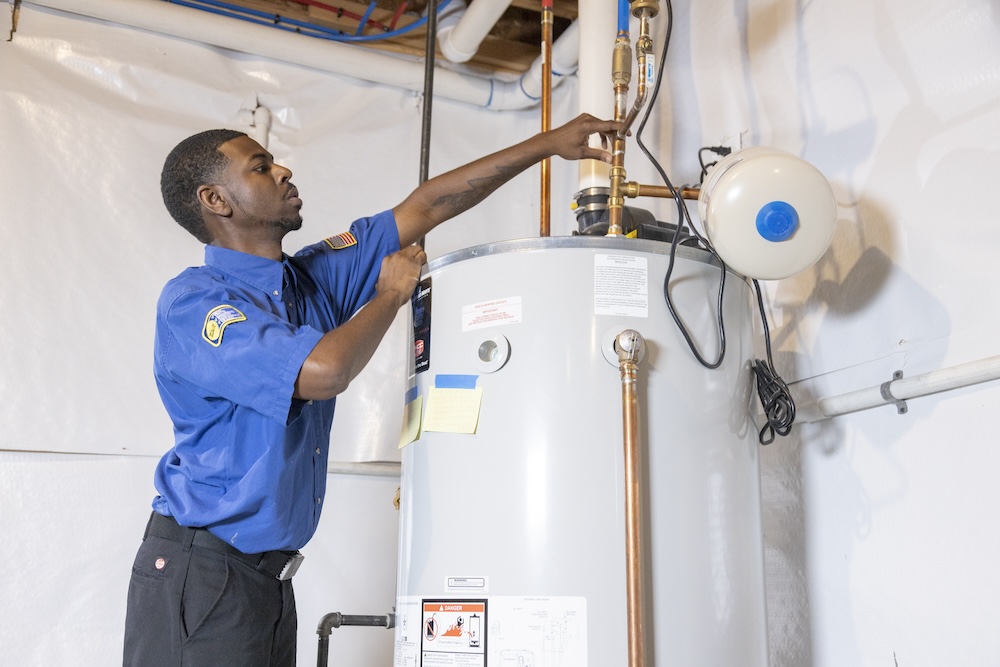
When your water heater stops producing reliable hot water, replacing it doesn't have to be stressful. Home Comfort Experts provides professional water heater replacement and water heater installation throughout Northern Indiana and Southern Michigan. Our licensed plumbers install both traditional tank and tankless water heaters, helping you choose the right system for your home, family, and budget.
Schedule online or call (574) 221-8595 to request your in-home estimate.
Schedule OnlineIs It Time to Replace Your Water Heater?
Traditional tank water heaters often last around 8 to 12 years, while tankless systems may last longer with proper installation and maintenance. Actual service life varies based on water quality, equipment condition, maintenance, usage, and installation. It may be time for a new water heater if you notice:
- Rust-colored or discolored hot water
- Water leaking around the base of the tank
- Inconsistent hot water or frequent temperature changes
- Rising energy bills
- Frequent repairs
- Strange rumbling or popping noises caused by sediment buildup
A leaking tank generally cannot be repaired and usually requires replacement. Likewise, if your water heater needs a major repair, has a history of repeated problems, or is in poor overall condition, replacement may provide better long-term value than another repair.
Choosing the Right Size and Type
Once replacement makes sense, the next step is choosing a water heater that matches your household’s current hot water needs. The right size depends on your household size, the number of bathrooms, your appliances, and how much hot water your family uses at the same time.
This is a general starting point for tank size by household size. Final sizing should also consider peak hot-water demand, fixture use, first-hour rating, and your household’s usage patterns.
| Household Size | Recommended Tank Size |
|---|---|
| 1–2 people | 30–40 gallons |
| 2–3 people | 40–50 gallons |
| 3–4 people | 40–50 gallons |
| 5 or more people | 50–80 gallons |
During your estimate, we'll use all the relevant factors to calculate your home's hot water demand and recommend a properly sized system that provides reliable performance without wasting energy. Sizing is only part of the decision. You’ll also need to decide whether a traditional tank or tankless system better fits your household's hot water needs.
Tank or Tankless?
Traditional tank and tankless water heaters can both provide reliable hot water, but they work differently and come with different trade-offs.
- Tank Water Heaters: These systems store a ready supply of heated water, typically cost less upfront, and can serve multiple fixtures at once. However, they require more space and use energy to keep stored water hot.
- Tankless Water Heaters: These systems heat water on demand rather than storing it. They can reduce standby energy loss, provide continuous hot water, and take up less space, but they typically cost more upfront and may require plumbing or venting updates.
The right choice depends on your household’s hot-water demand, available space, existing plumbing, and priorities for cost and efficiency. Once you've selected the right system, the next step is removing your existing unit and preparing your home for the replacement.
What Installation Day Looks Like
Our water heater replacement and installation process is designed to make upgrading your system as straightforward as possible. Many standard water heater installations can be completed the same day, while more complex projects may require additional time.
Installation time depends on the system type, existing connections, venting, electrical or gas work, and any required upgrades. New equipment is also covered by applicable manufacturer warranties.
Our installation process includes:
- Inspecting your existing plumbing and utility connections
- Helping you select the right tank or tankless system
- Removing and disposing of your old water heater
- Installing new plumbing, gas, or electrical connections as needed
- Installing required safety components, including the temperature and pressure (T&P) relief valve
- Testing the system for leaks and proper operation
- Reviewing water heater maintenance recommendations and warranty information
More complex installations, such as converting from a tank to a tankless system or switching from gas to electric, may require additional time.
How Much Does Water Heater Replacement Cost?
A tank heater costs around $1,500 to over $2,500, and a tankless heater costs around $2,500 to over $6,000. The total investment depends on several factors, including:
- Gas water heater installation or electric water heater installation
- Water heater size and first-hour rating
- Venting requirements
- Plumbing or electrical upgrades
- Local building code requirements
While many homeowners search for a single water heater replacement price, the better question is the total cost of ownership. As water heaters age, wear, sediment buildup, component condition, and maintenance history can affect performance and operating efficiency. Older systems may also require more frequent repairs. Planning your replacement before your current unit fails gives you more flexibility to select the right equipment and avoid emergency installation decisions.
Our team provides free in-home estimates so you understand your options before making a decision.
Get a New Water Heater With Home Comfort Experts
If your water heater is leaking, no longer producing enough hot water, or nearing the end of its lifespan, Home Comfort Experts can help you choose the right replacement without the pressure. We'll evaluate your home's hot water needs, recommend the right equipment, provide an honest estimate, and complete your installation with quality workmanship backed by industry-leading warranties.
Schedule online today or call (574) 221-8595 to request your free in-home estimate.
Schedule OnlineFrequently Asked Questions
Yes, a 20-year-old water heater is generally a candidate for replacement, even if it is still working. Traditional tank water heaters typically last about 10 to 12 years, so a 20-year-old unit is well beyond the usual lifespan. The unit may be more vulnerable to leaks and breakdowns.
DIY installation is possible, but it’s not recommended. Heaters are hard to transport, and installation may require specialized knowledge and permits. Improper installation can also cause a gas leak or an electrical fire risk. It’s best to hire professional installation services.
Gas and electric water heaters each have advantages depending on your home. Gas models may provide faster recovery in some applications, while electric systems can be simpler to install where adequate electrical capacity already exists. Installation cost, energy cost, available utilities, household hot-water demand, venting, electrical capacity, and equipment type should all be considered before choosing.
Replacing a tank water heater with a tankless model can be worthwhile if you value energy efficiency, continuous hot water, and a compact design. Tankless systems eliminate standby heat loss but generally cost more initially, may require plumbing or venting updates, and must be properly sized for your household's simultaneous hot-water demand.
A typical shower uses about 2.5 gallons per minute (GPM), so two simultaneous showers could require roughly 4 to 5 GPM. A properly sized tankless water heater may be able to supply two showers at the same time if its flow rate and temperature-rise capacity are sufficient for the combined demand.

How We Show Up
So You Feel Confident




Proven, Not Promised
Backed by Homeowner Reviews

